
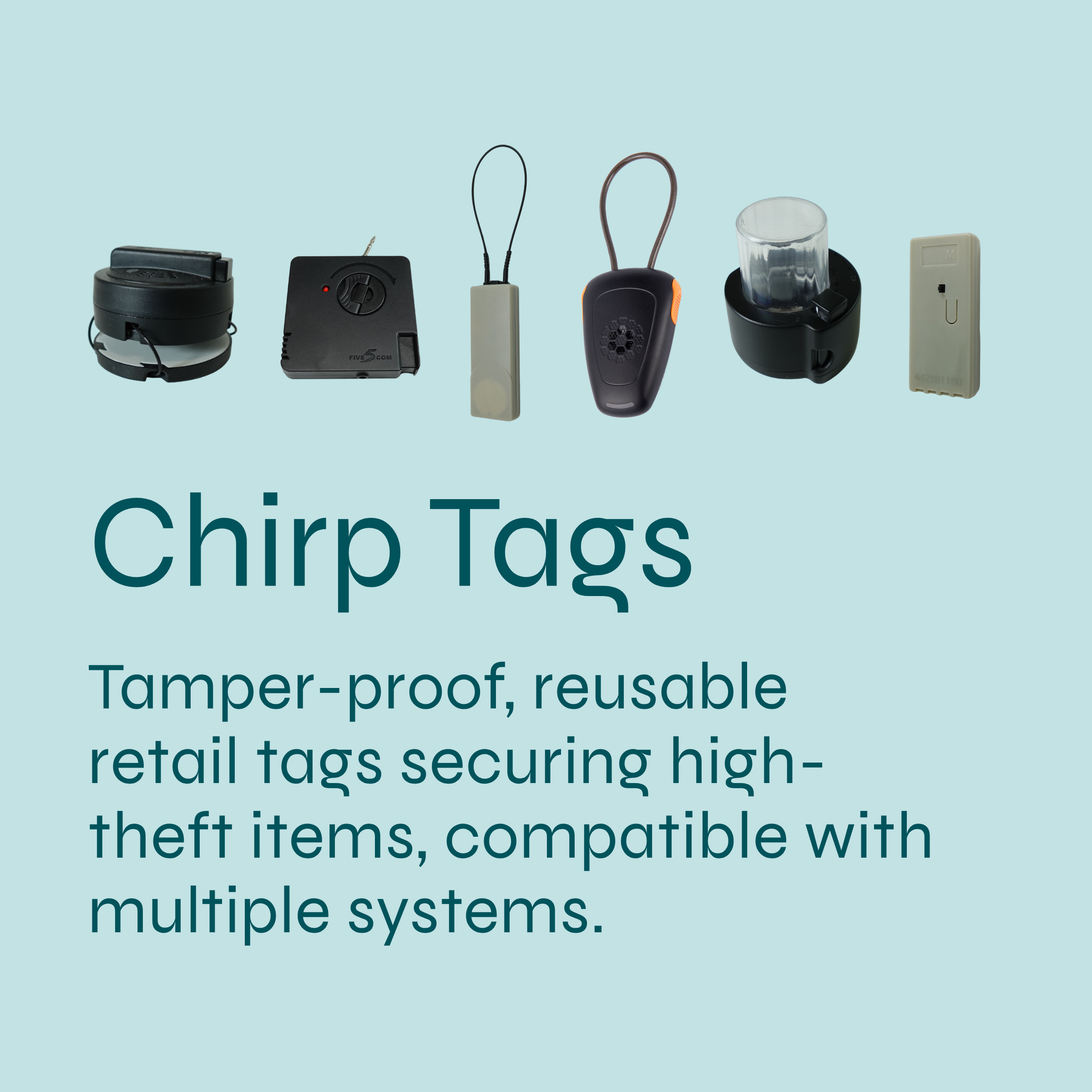



Independent garden centres face unique security vulnerabilities—from concealed toilet areas and changing rooms to high-value items targeted throughout expansive retail spaces. Scott's of Southend was experiencing unsustainable levels of stock loss, losing 15 Yeti products in just 3 weeks despite using traditional tags, sticky labels, and entrance gates. After installing Chirp Protect, losses dropped to zero Yeti thefts over 3 months, and overall store theft was reduced by 80%.

Scott Bird
Scott's of Southend
“Chirp Protect has certainly been a gamechanger for us. It will pay for itself within 18 months.”
Scott's of Southend employs around 75 staff members across a busy garden centre site. Like many independent retailers, the business was struggling against increasingly determined shoplifters targeting high-value merchandise like Rieker shoes, branded clothing, and Yeti drinkware.
The Problem: Conventional Tags Weren't Working
Despite having entrance barriers and standard security tags in place, thieves regularly bypassed these systems by peeling off sticky labels or using shears taken off store shelves to cut wrap-around tags off in secluded areas.
The Turning Point: Immediate Impact & Zero Losses
Prior to adopting Chirp Protect, a stock take revealed that out of 94 Yeti products sold over a 3-week period, 15 had been stolen. Immediately following the installation of Chirp Protect, the impact was instantaneous. Within the very first week, three separate theft attempts were thwarted as shoplifters either fled or abandoned the merchandise as soon as the system responded.
How Chirp Outperforms Traditional Gate Systems
Traditional gate-based magnetic systems only trigger an alarm when someone physically walks through the main exit doors. By contrast, Chirp's tags sound an alarm on the tag itself the moment a theft attempt occurs, which is then amplified across connected sensors placed throughout the garden centre.
Protecting High-Risk Areas: Restrooms & Changing Rooms
Restrooms and changing cubicles have historically provided cover for tag removal. Shoplifters could lock themselves inside with secateurs and remove conventional tags without detection. Positioned Chirp sensors eliminate these dead zones, sounding alerts throughout the store if tagged stock is brought into protected areas.