

Why Traditional EAS Systems Are No Longer Enough For Modern Retail Theft
For years, Electronic Article Surveillance (EAS) gates have been the standard approach to retail theft prevention. Install security antennas at the exit, attach tags to products and rely on an alarm sounding if unpaid items leave the store.
For a long time, that approach worked well.
But retail theft has changed dramatically. Across the UK, retailers are facing more organised, deliberate and sophisticated shoplifting methods than ever before. Many stores now have EAS gates installed and are still experiencing significant stock loss.
The problem is not necessarily that EAS systems are broken. The problem is that traditional retail security systems were designed for a different type of theft.
Why Traditional EAS Systems Are Struggling
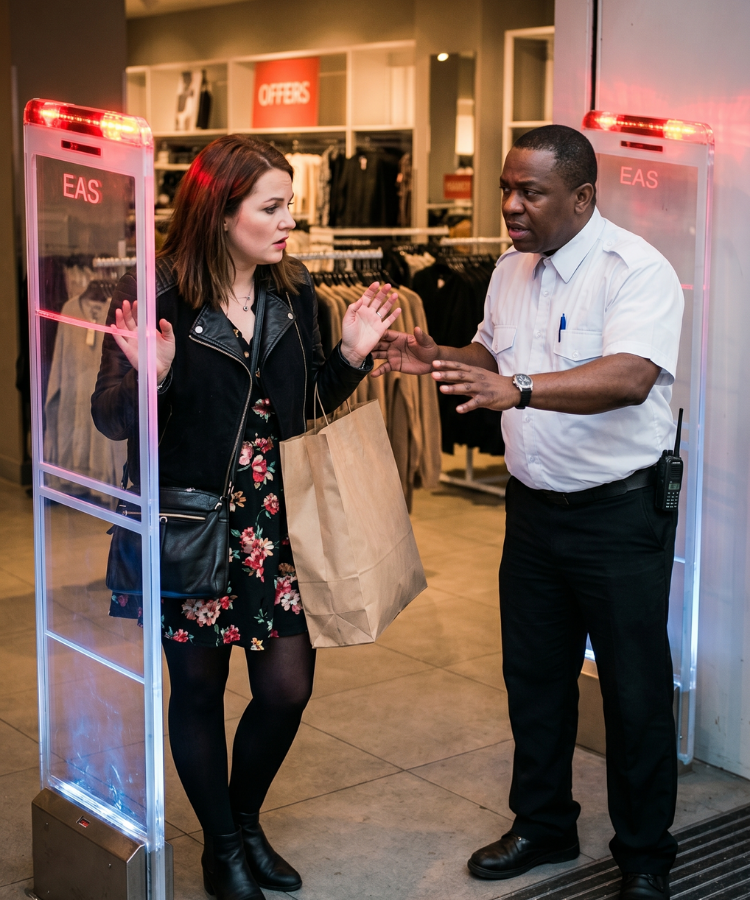
Most EAS systems are built around a single detection point - the exit door. The alarm only sounds once somebody attempts to leave the building. By that stage, the theft has already happened.
The product has been removed from the shelf, concealed and, in many cases, the security tag has already been tampered with or removed entirely. Retail staff are left reacting to an alarm at the last possible moment rather than preventing theft earlier in the process.
This creates a major gap in retail loss prevention because there is very little visibility of what is happening elsewhere in the store.
At the same time, retail theft methods have evolved. Detacher magnets and tag removal tools are now widely available online, making it easier for shoplifters to bypass traditional RF and AM EAS tags directly on the shop floor. Many offenders understand exactly how conventional retail security tags work and how quickly they can be removed without attracting attention.
As a result, products can be stripped of their tags before they ever reach the exit. In these situations, the EAS system never actually activates.
For retailers, this is becoming an increasingly common issue, particularly with high-theft products that are easy to conceal and easy to resell online.

The Rise In High-Theft Retail Products
Certain product categories are now repeatedly targeted because they offer strong resale value and can often be stolen quickly.
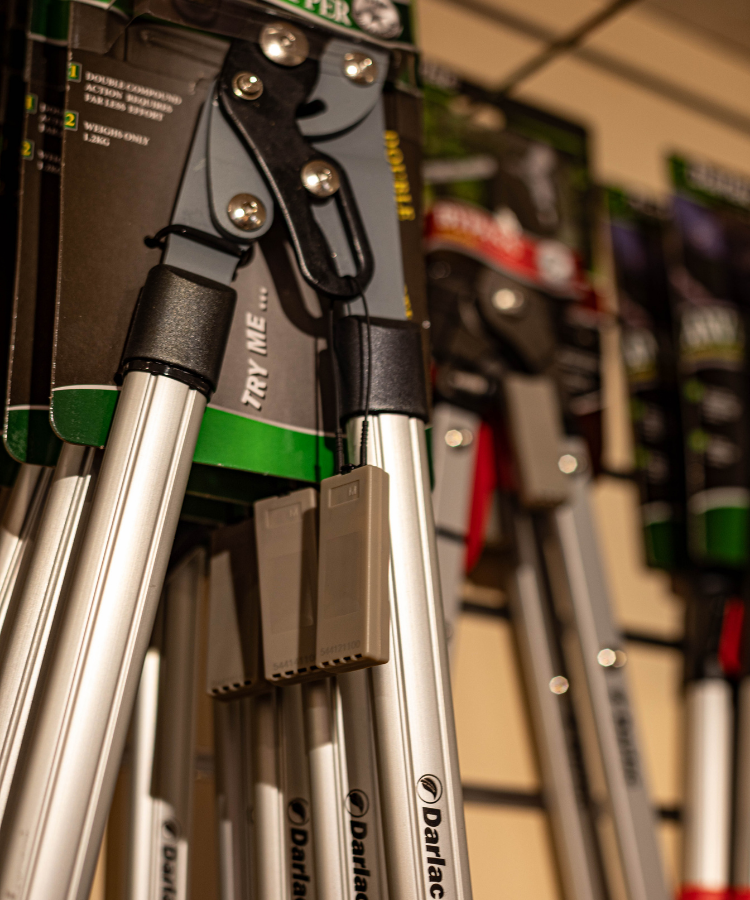
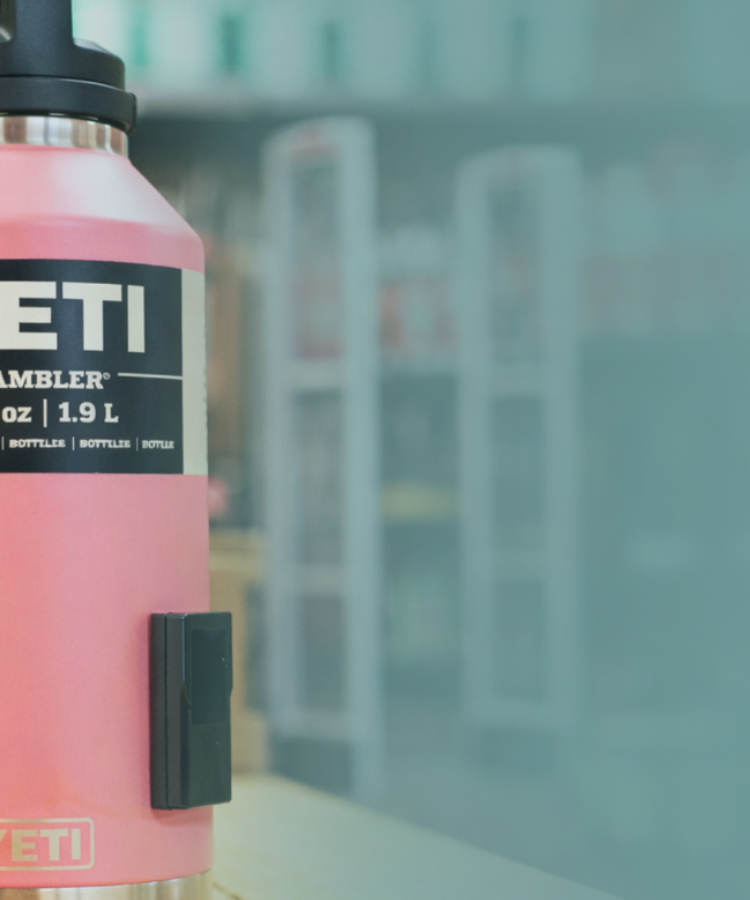
Retailers commonly report losses involving products such as LEGO sets, Jellycat soft toys, premium apparel brands including Barbour, NEOM fragrances, wine and spirits, cosmetics and gardening accessories. These items are attractive to shoplifters because they are compact, valuable and familiar to online resale markets.
Even when protected with standard EAS tags, these products can remain vulnerable if the tag itself can be removed easily or bypassed using magnets.
This is one of the main reasons retailers are beginning to rethink how modern retail security should work.
The Shift Towards Product-Level Security
Retail security is moving away from relying solely on exit-based detection and towards product-level protection. In simple terms, the product itself becomes the alarm.
Rather than waiting until somebody reaches the door, modern retail security systems are designed to detect suspicious activity the moment it begins. This might include tag tampering, unauthorised product removal or movement patterns associated with theft.
The benefit of this approach is that staff can respond earlier, while the product is still inside the store.
For retailers, that shift from reactive security to proactive theft prevention is significant. Instead of simply identifying that a theft has happened, modern systems are designed to help prevent it from succeeding in the first place.

What Modern Retail Security Looks Like
Modern retail security systems focus on three key areas: stronger tags, earlier detection and real-time alerts.
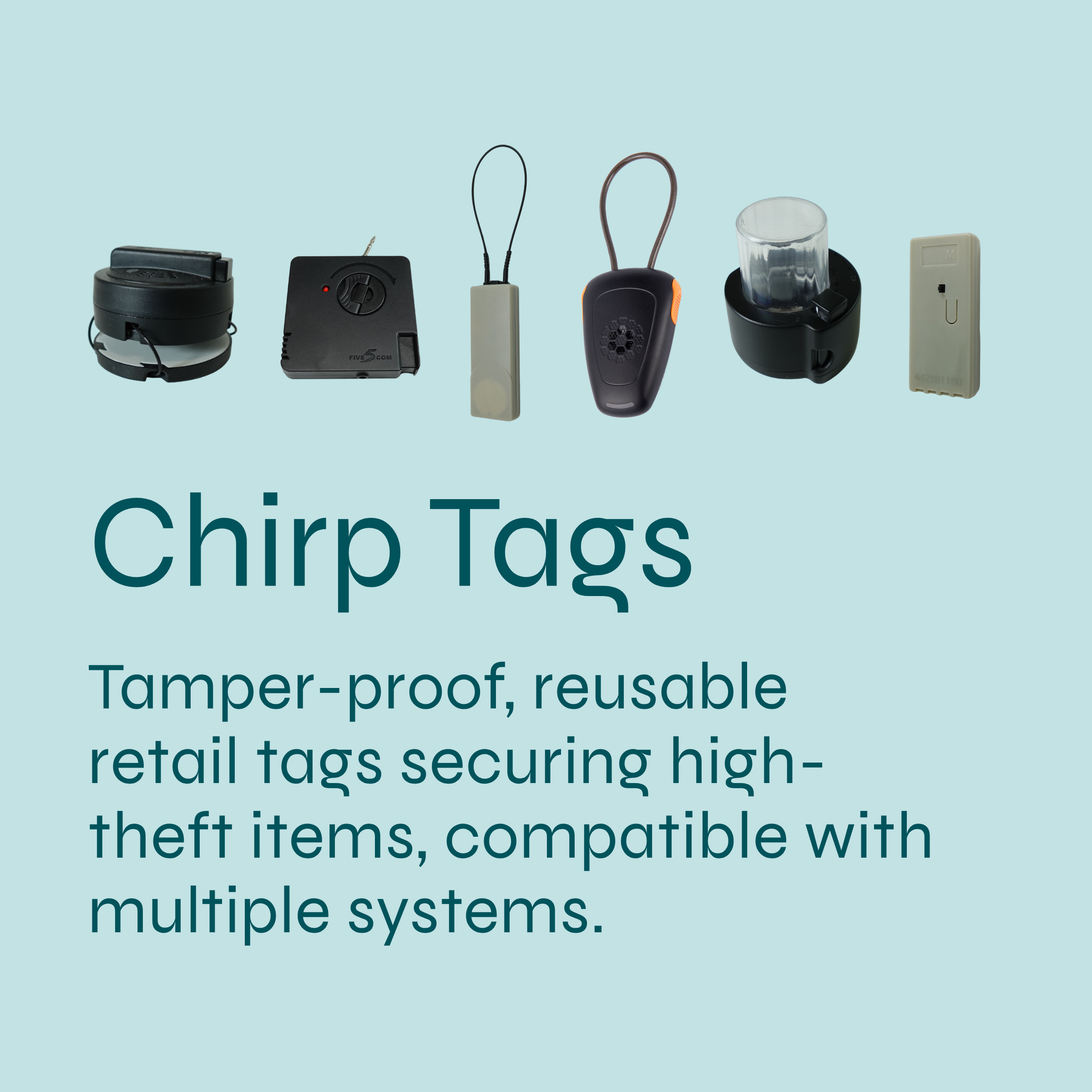
Unlike traditional mechanical tags that can often be defeated with magnets, newer tagging systems increasingly use tamper-proof and magnet-resistant designs. Some systems also use digital deactivation methods rather than mechanical release mechanisms, removing one of the biggest weaknesses of conventional EAS tagging.
At the same time, retail security technology is becoming far more intelligent and connected. Instead of relying on a single alarm at the exit, modern systems can trigger alerts directly on the product itself, notify staff through headsets and integrate with CCTV or other in-store technology. This gives retailers real-time visibility of theft attempts as they happen.
Modern retail security is also no longer limited to protecting store exits alone. Security hubs can now be positioned in areas where theft or tag tampering historically takes place, including customer toilets, cafés, garden centre outdoor areas and quieter sections of the shop floor. This allows retailers to create intelligent security zones throughout the store and detect suspicious product movement long before somebody approaches the exit.
This approach has proven particularly effective in larger retail environments such as garden centres, where multiple exits and outdoor trading areas can make theft harder to monitor. As Patrick Fairweather from Fairweathers Garden Centre explains:
“Chirp has given us another level of protection for higher-value goods that our conventional security tagging system did not provide. Its alarm when tags are tampered with in-store has already prevented multiple high-value thefts.”
That speed of response matters. The earlier staff become aware of suspicious behaviour, the more likely they are to prevent stock loss before products leave the building.

The Limits Of AI-Only Retail Security
Many retailers are now investing heavily in AI-powered retail security systems, facial recognition technology and intelligent CCTV analytics designed to identify suspicious behaviour.
These systems can often detect actions associated with theft, such as concealment, unusual movement patterns or shoppers placing items into bags. While this technology can provide valuable visibility, it still relies heavily on staff intervention after suspicious behaviour has already started.
In many cases, staff are still required to approach individuals, assess the situation themselves and potentially challenge suspected offenders directly. This can increase the risk of confrontation, create uncomfortable situations for genuine customers and leave retailers concerned about wrongful accusations.
Technology that identifies suspicious behaviour is useful, but it does not always deter theft on its own.
This is where product-level security provides a different approach.
Rather than relying purely on observation, Chirp Protect focuses on protecting the item itself. Its tamper-proof, magnet-resistant tags create a visible deterrent while also acting as an active first line of defence. If interference begins, the product immediately becomes the voice for staff by triggering an alarm directly on the item.
At the same time, Chirp Protect can integrate with CCTV systems and other in-store technology to help retailers capture incidents, improve reporting and build a clearer picture of theft activity within specific areas of the store.
For many retailers, the most effective strategy is not trying to secure the entire store at once, but focusing first on the products, categories and locations where losses are happening most frequently. Product-level protection allows retailers to strengthen security exactly where they are being hit hardest while still working alongside existing EAS, CCTV and AI systems.
Why Retailers Are Adopting Layered Security
No single retail security solution can prevent every type of theft. Because of this, many retailers are now adopting a layered approach to retail loss prevention.
Rather than replacing existing EAS infrastructure entirely, stores are combining multiple systems together to close the gaps that traditional exit-only security leaves behind.
A modern layered retail security strategy will often combine:
- EAS gates at store exits
- CCTV monitoring and evidence capture
- staff awareness and training
- product-level security for high-risk stock
This creates multiple points of detection throughout the store rather than relying on a single alarm at the door.
Traditional EAS still plays an important role as a visible deterrent, but many retailers are recognising that it works best when combined with intelligent product-level protection.
Where Chirp Protect Fits In
Chirp Protect is designed to provide that additional layer of protection by focusing on the product itself rather than just the store exit.
Instead of waiting for somebody to leave the building, Chirp Protect detects theft attempts as they happen on the shop floor. Each tagged product becomes an active security point capable of triggering alerts the moment tampering, removal or suspicious movement occurs.
This gives retailers greater visibility and control over high-risk products and vulnerable areas of the store.
Key features of the Chirp Protect system include:
- alarms triggered directly on the product itself
- tamper-proof, magnet-resistant tags
- real-time alerts to staff and CCTV systems
- compatibility with existing RF and AM EAS systems
Because Chirp Protect works alongside existing retail security infrastructure, retailers can strengthen protection without needing to replace their current EAS systems entirely.
Prevention, Not Just Detection
The biggest change in modern retail security is the move from reacting to theft towards preventing it earlier.
With product-level protection in place, retailers can detect theft attempts sooner, improve staff response times, reduce retail shrinkage and maintain stronger control over high-value stock.
Instead of relying on a single alarm at the exit, security becomes active throughout the store environment.
For retailers dealing with rising stock loss, organised retail crime and increasingly sophisticated shoplifting methods, that extra visibility can make a significant difference.
Is It Time To Rethink Your Retail Security?
If your business already has EAS gates installed but is still experiencing theft, you are far from alone.
Traditional EAS systems still have value, but on their own they are often no longer enough to deal with modern retail crime.
Adding intelligent product-level security gives retailers earlier detection, stronger protection for high-risk items and real-time visibility of theft attempts inside the store.
Most importantly, it gives staff the opportunity to act before stock leaves the building.
To see how Chirp Protect works in real retail environments, book a demo today and discover how quickly product-level retail security can be deployed alongside your existing EAS system.